

Planning a booth for a craft fair? Your products matter—but how you display them can make or break a sale. A creative, well-thought-out display draws people in, tells your brand’s story, and makes your items shine.

In this guide, we’ll explore over a dozen clever, practical craft fair display ideas. Whether you’re a first-timer or a seasoned vendor, these tips will help you stand out, boost sales, and create a space customers won’t forget.
1. Backdrop Brilliance

The right backdrop can instantly elevate your booth. Whether it’s a pegboard wall, a printed banner, or flowing fabric panels, this background sets the stage for your craft displays. It draws eyes from across the room and helps frame your products clearly. Try adding your brand name or logo, and keep it clean so it doesn’t distract from what you’re selling. A great backdrop acts like a silent salesperson—inviting, organized, and on-brand.
2. Color as Storytelling

Colors aren’t just for looks—they tell your brand story. A soft pastel palette feels calm and cozy, while bold jewel tones pop with energy. Choose 2–3 colors that fit your product and stick with them throughout your booth. Use them in signs, fabrics, and props to create a sense of unity. When your colors work together, your space looks polished and professional—and it helps buyers remember you.
3. Vertical Displays & Height

Flat tables can feel boring fast. Adding height with shelving, crates, or ladder-style racks gives your setup a layered, dynamic look. Try putting bestsellers at eye level, then arrange smaller items above and below. This keeps shoppers engaged and encourages them to browse longer. Plus, using vertical space helps you fit more products without crowding the table.
4. Repetition for Cohesion

One easy way to make your booth feel “put together” is to repeat design elements. Use the same type of tray for different products, stack items in the same pattern, or repeat shapes and colors across your table. Repetition creates rhythm, which helps shoppers feel comfortable and confident while browsing. It also strengthens your brand style—so people know it’s you as soon as they walk by.
5. Compelling Composition & Flow
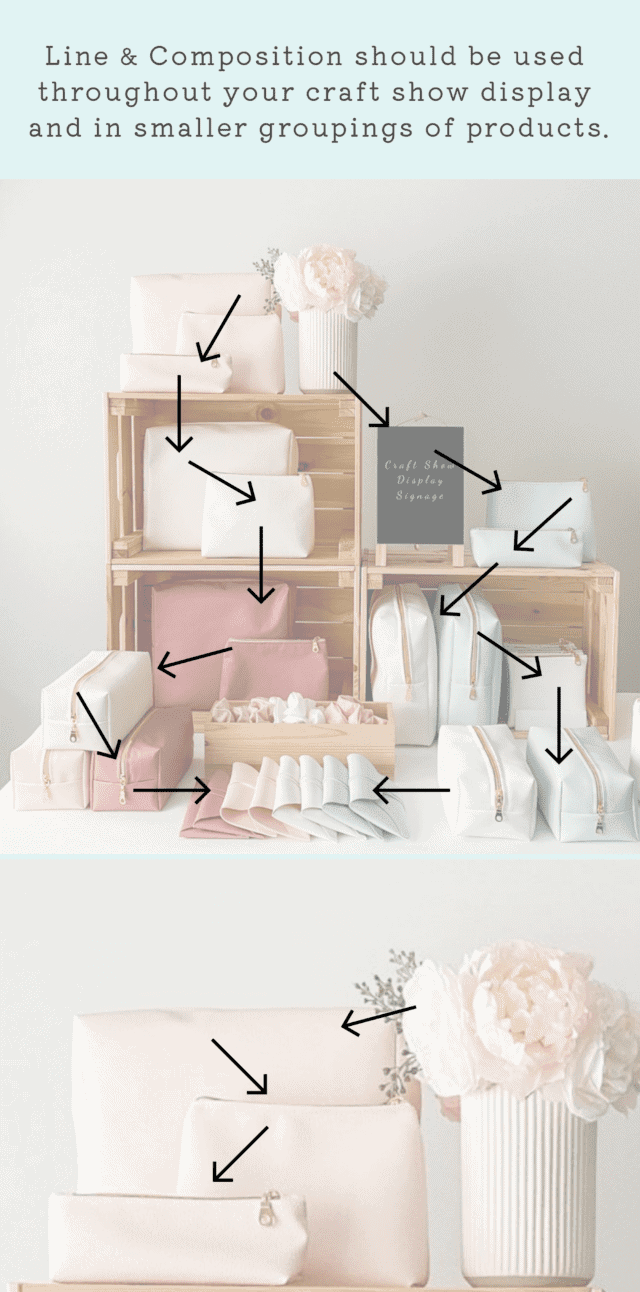
Think of your booth like a tiny shop window. Your job is to make it easy (and fun!) for people to explore. Start with a focal point—maybe a large piece or grouped bestsellers—then build around it. Arrange items so the eye moves smoothly from one product to the next. Avoid clutter, leave some breathing room, and test your layout before the show to see how it feels from a customer’s view.
6. Smart Lighting Choices

Lighting can make or break your craft booth. String lights, fairy lights, or clip-on spotlights can highlight your best products and add a cozy glow that pulls people in. Aim to light up darker corners or spotlight items you want to sell more of. Even small touches—like LED candles or light strips—can give your display a warm, professional edge, especially for indoor or evening markets.
7. Use of Props and Theme

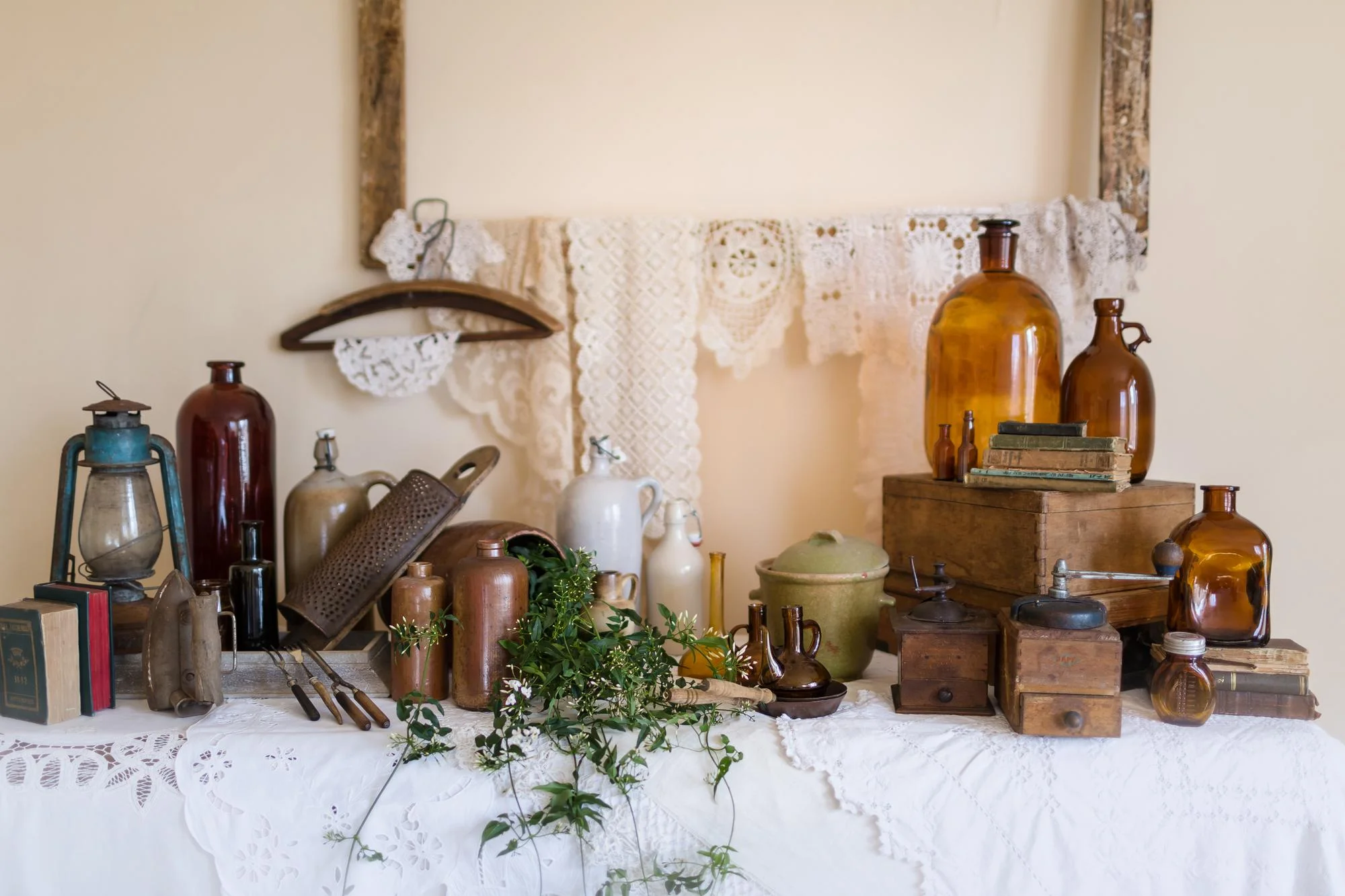
Props help bring your booth to life. Think wooden crates for rustic goods, floral garlands for romantic pieces, or nautical ropes for beach-themed items. Choose props that match your brand or product vibe to create a cohesive story. It’s like setting a mini stage where your items are the stars. Just be careful not to overdo it—props should support, not steal, the spotlight.
8. DIY & Budget-Friendly Fixtures

You don’t need to spend big to have a great-looking booth. Repurpose crates, suitcases, or wooden pallets to make custom risers and shelves. Paint or stain them to match your color scheme. Thrift stores and hardware scraps are goldmines for creative DIY display pieces. Not only does this save money, but it also adds charm and personality to your setup.
9. Clear Signage & Pricing

Make it super easy for shoppers to know what your items are and how much they cost. Use chalkboards, tent cards, or printed labels—just make sure the font is readable from a few feet away. Branded signage adds a pro touch and builds trust. No one likes asking for prices, so the clearer you are, the more likely people are to buy.
10. Interactive Elements
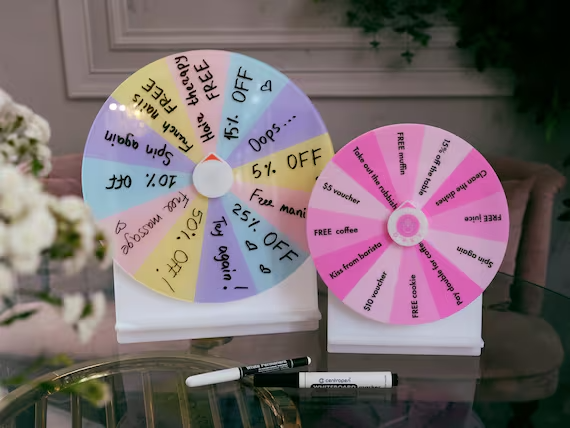
Want more engagement? Add something fun! Spin-to-win prize wheels, product demos, or even a “guess how many” jar can stop foot traffic and get people talking. Interactive elements encourage visitors to linger, ask questions, and remember your booth. It’s also a great chance to hand out business cards or collect emails for future sales.
11. Customer Comfort Features

Make visitors feel welcome with small, thoughtful touches. Add a light scent like lavender or citrus using candles or essential oil diffusers (if allowed). On warm days, a small fan can make a big difference. Also, make sure your booth is well-lit and easy to navigate—people stay longer when they’re comfortable.
12. Thematic Cohesion

Keep everything in sync—your props, signs, layout, and colors should all tell the same story. For example, if your products have a coastal vibe, use blues, driftwood textures, and beach-themed signage. A cohesive look not only boosts brand recognition but also makes your booth feel professionally curated.
13. Effective Binning & Storage
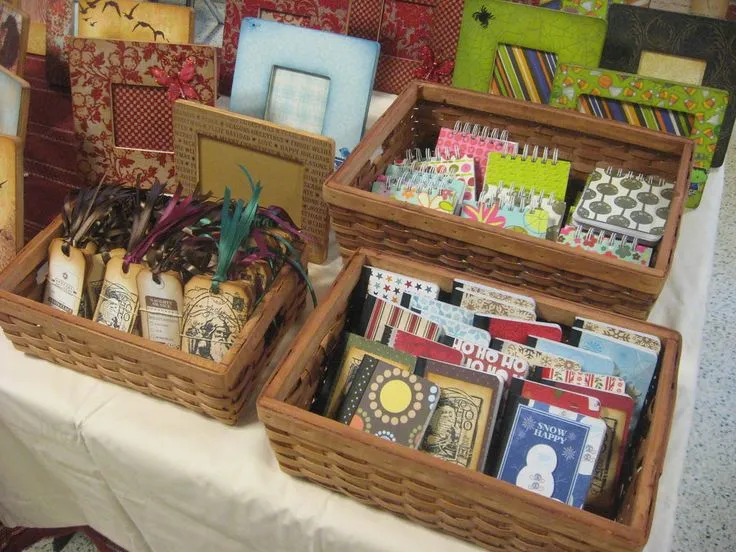
Keep your booth tidy with stylish bins, boxes, or small drawers that double as displays. Use them to organize extra stock, tools, or packaging supplies while still keeping everything accessible. Opt for storage that matches your booth’s aesthetic—think wire baskets, vintage suitcases, or painted crates.
14. Sturdy Display Solutions

Your booth setup needs to hold up under pressure—literally. Invest in solid tables, weighted canopies, and durable racks. Wobbly shelves or collapsing fixtures can scare off customers (and ruin your products). Test your setup ahead of time and bring backup clips, zip ties, and duct tape just in case.
15. Review, Tweak, Improve
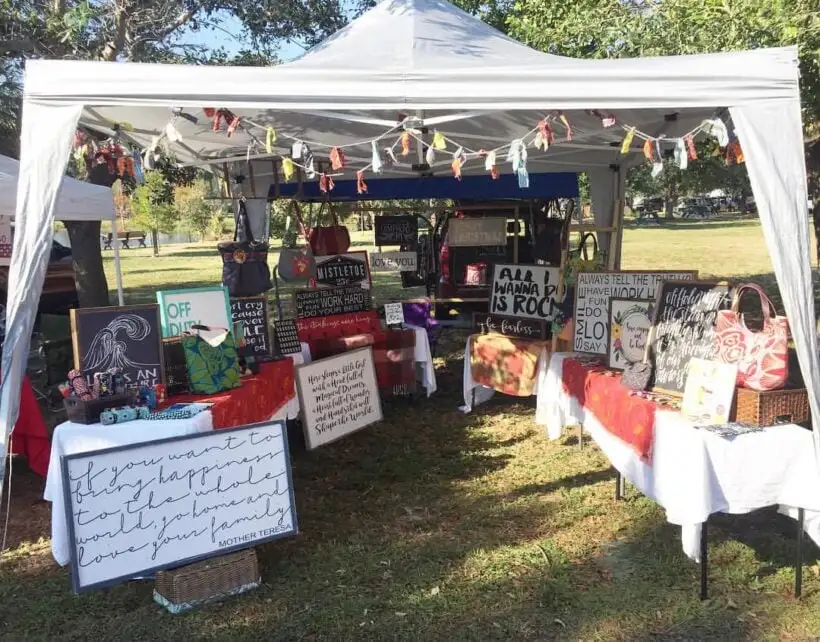
Before the doors open, step back and look at your booth as a shopper would. Is everything easy to see? Are your best items front and center? Make small tweaks to spacing, symmetry, and lighting. A well-balanced layout invites browsing and makes your space more memorable.
Conclusion
Great displays don’t just look nice—they help you sell more and connect with customers. From lighting and layouts to signage and storage, every detail counts.
Need help designing the perfect craft fair booth? Contact us today to explore custom display solutions that bring your brand to life!
FAQs
What sells the most at a craft fair?
Top-selling items often include jewelry, candles, home décor, pottery, woodwork, food/drinks, and personal care products. Items that offer value, are easy to carry, and fit impulse buying budgets tend to perform best.
How to display at craft fairs?
Create an inviting and functional layout with vertical displays, cohesive signage, clear pricing, and grouped items for easy browsing. Incorporate store-window style layout, clear visual hierarchy, and choose a cohesive vision for your booth.
How do you get your booth to stand out at a craft fair?
Stand out with strong branding—consistent color, props, signage, and layout. Use vertical displays, lighting, repetition, and composition (like focal points) to catch attention and draw shoppers in.
How to keep track of inventory at a craft fair?
Many vendors use tally sheets or simple spreadsheets to track sales during the event. Count stock before and after the fair to monitor inventory and identify bestsellers. While less common, mobile POS systems can also update sales and inventory in real time on the go.
For jewelry brands and retailers, Bonroy produces acrylic jewelry displays in-house in Xiamen — custom sizes, materials and branding since 2005.


 English
 Deutsch
 Español


