

Retail displays shape customer behavior and directly impact sales.
Two top-performing options—sidekick displays and endcap displays—can boost product visibility and drive purchases.
In this guide, we’ll break down the benefits of each and help you choose the best fit for your retail strategy.
What Are Sidekick Displays?

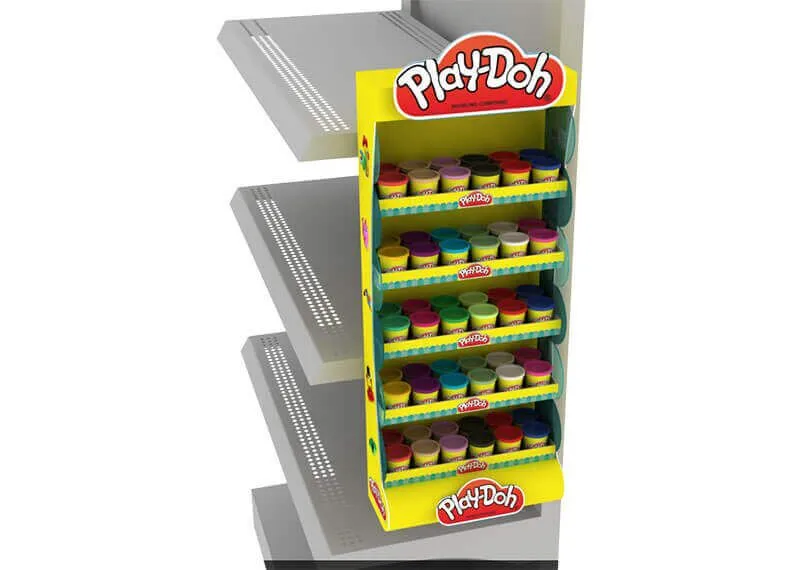
Sidekick displays—also called power wings—are compact, eye-catching retail display units designed to attach to the sides of shelves or endcaps.
Positioned at eye level and in high-traffic areas like checkout lines or aisle ends, they grab attention and encourage quick buying decisions.
These displays are perfect for making the most of unused vertical space while keeping your store layout clutter-free.
Key benefits of sidekick displays include:
Great for impulse buys – Ideal for tempting shoppers with last-minute add-ons.
Economical and space-saving – Fits into tight areas without needing floor space.
Easy to install and move – Lightweight and often pre-packed for fast setup.
Flexible for seasonal promotions – Easily refreshed with new products or themes.
They work best for small, lightweight products like snacks, batteries, cosmetics, or travel-size toiletries.
Sidekick displays are usually made from cardboard, but can also feature wire or plastic elements depending on durability needs.
You can fully customize them with logos, colors, graphics, or even social media handles, making them not just functional—but an extension of your brand.
What Are Endcap Displays?

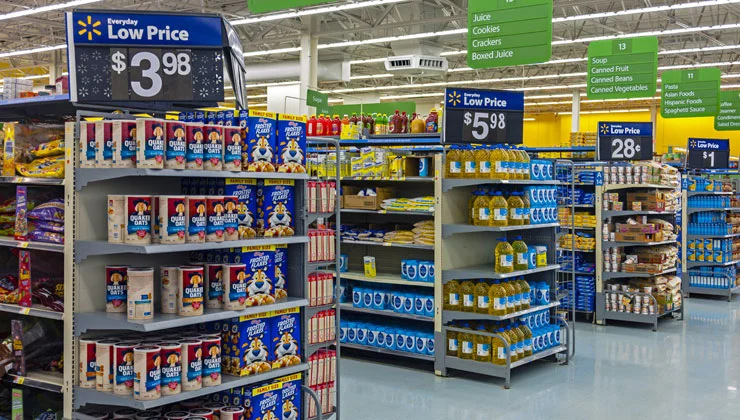
Endcap displays are large merchandising units placed at the ends of retail aisles, making them some of the most visible and powerful spots in a store.
Whether shoppers are walking down an aisle or turning a corner, endcaps naturally catch their eye—making them a top choice for brands looking to stand out.
They’re ideal for showcasing promotional products, seasonal items, or best sellers.
Because they face major walkways, endcaps often drive higher engagement and impulse purchases compared to standard shelf placements.
Key benefits of endcap displays include:
High visibility in heavy foot traffic zones
Perfect for promotions and product launches
Extra space for storytelling, branding, and creative displays
Retailers often use endcaps to display:
New product launches
Bundle deals or value packs
Holiday or limited-time offers
Top-selling or featured products
In terms of construction, endcaps are typically larger and more durable than sidekicks.
They’re often built with sturdy cardboard, corrugate, or even metal and wood for long-term use.
With more surface area available, brands can go big on custom graphics, bold messaging, and creative elements that tell a visual story—all while reinforcing brand identity and driving sales.
Key Differences: Sidekick vs. Endcap Displays
Both sidekick and endcap displays are powerful merchandising tools—but they serve different purposes and shine in different ways.
Here’s how they compare:
Size

Sidekick displays are compact and narrow—great for tight spaces and smaller items.
Endcap displays are larger, offering more room for products, branding, and storytelling.
Location

Sidekicks attach to the sides of shelves or endcaps—often near checkout or along aisle edges.
Endcaps sit boldly at the ends of aisles, directly in shoppers’ line of sight.
Setup
Sidekicks are lightweight and easy to install—often pre-packed and ready to hang.
Endcaps require more setup and floor space but allow for more elaborate designs.
Visibility

Sidekicks are seen mostly by shoppers already walking through an aisle.
Endcaps capture attention from multiple directions due to their prominent placement.
Product Types
Sidekicks are perfect for small, lightweight, or add-on products (think snacks, chargers, or trial-size items).
Endcaps handle larger or high-priority items like bundles, new releases, or seasonal promos.
Cost and Flexibility

Sidekicks are typically lower cost and easier to update.
Endcaps have higher impact but usually cost more due to size and setup.
Best Use Cases by Industry

Sidekick and endcap displays aren’t one-size-fits-all—different industries can use them in clever ways to drive sales and improve the shopping experience.
Here’s how to make the most of them in your store:
Grocery
Endcap: Perfect for spotlighting bestsellers like cereal, coffee, or snacks.
Sidekick: Use to display related items like coffee filters, granola bars, or reusable shopping bags.
💡 Tip: Bundle breakfast items together for easy grab-and-go meal solutions.
Electronics
Endcap: Showcase high-demand tech like smartphones, tablets, or headphones.
Sidekick: Position accessories like chargers, phone cases, or screen protectors right nearby.
💡 Tip: Cross-sell with limited-time accessory bundles to boost average cart value.
Apparel
Endcap: Highlight seasonal items—think coats in winter, swimsuits in summer.
Sidekick: Display socks, scarves, or jewelry to complete the look.
💡 Tip: Inspire full outfit purchases with coordinated pairings.
Beauty
Endcap: Feature a full skincare or makeup line to tell a product story.
Sidekick: Include travel sizes, testers, or related add-ons like brushes or wipes.
💡 Tip: Encourage sampling with mini-size combos for under $10.
How to Choose the Right Display for Your Store

Choosing between a sidekick or endcap display depends on several key factors:
Store size and layout – Use endcaps for larger floor spaces; sidekicks work well in tight or high-traffic areas.
Type of product – Endcaps suit feature items and bundles, while sidekicks are ideal for small, grab-and-go goods.
Target customer behavior – Know if your shoppers browse leisurely or shop with purpose.
Marketing goals – Want to boost brand awareness? Use endcaps. Need more impulse buys? Go with sidekicks.
Conclusion

Choosing the right display—sidekick or endcap—can make all the difference in shopper engagement and sales performance.
Each offers unique strengths for different goals.
Need help creating the perfect retail display? Contact us today for expert guidance and custom solutions that fit your store’s layout and marketing strategy.
FAQs
What is the difference between a sidecap and endcap display?
A sidecap (sidekick) display is a smaller unit that hangs from shelving or fixtures and offers flexible placement. Endcaps are larger, placed at aisle ends, and draw more shopper attention due to their prominent location.
Bonroy is a retail display manufacturer in Xiamen, China, producing retail display manufacturing in-house — OEM/ODM from design and prototyping to production since 2005.


 English
 Deutsch
 Español